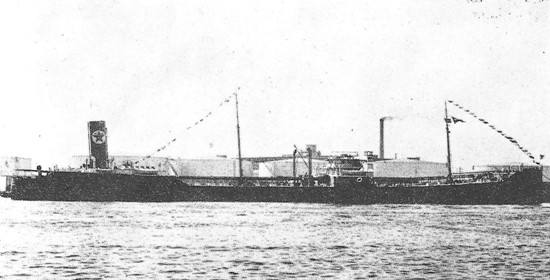
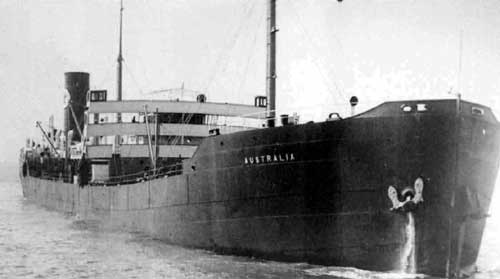
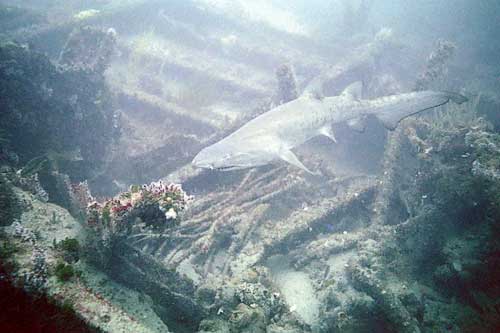
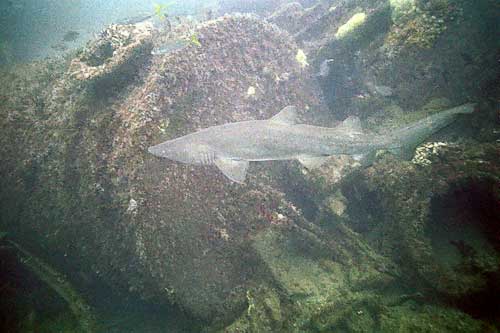
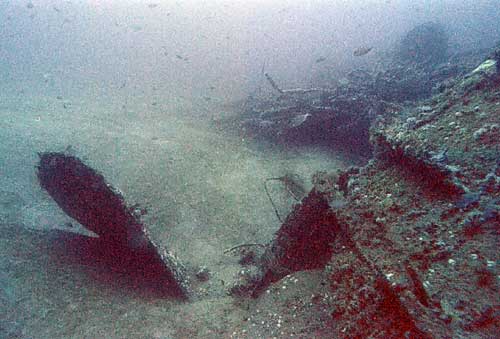
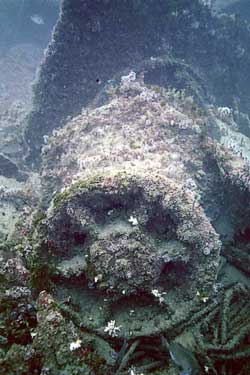
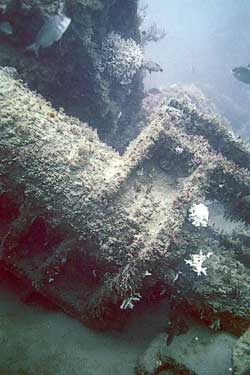
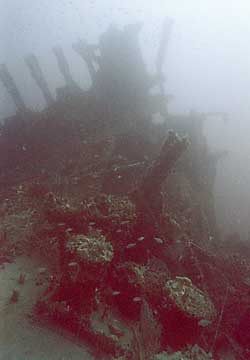
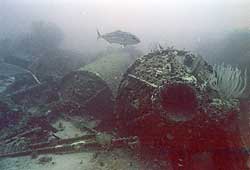
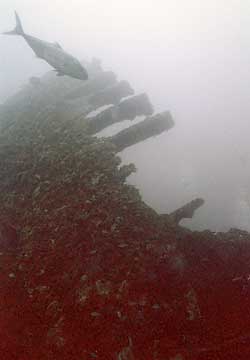
The Australia was the second-largest ship sunk off the coast of the Outer Banks during WW!!. The ship was originally named the Mary Ellen O’Neil. The ship was sold to Texaco (The Texas Company) and was used to ship oil from Port Arthur, Texas to New York. In March of 1942, Captain M. Ader and his crew waited as the tanker was loaded with fuel oil to make the trip to New Haven, Connecticut. The total value of the oil was placed at $140,076.
The beginning of their journey through the Gulf of Mexico was peaceful and uneventful. As they came around and started heading up the East Coast all seemed well. However, Captain M. Ader received word that in the dark morning hours of March 15, the Olean and Ario were torpedoed. When he heard the news, the ship was forty-six miles from Frying Pan Shoals. These ships were in the path that the Australia was heading. Captian Ader decided to turn back and allow some time in hopes that the u-boats wouldn’t be a problem. The ship moved south of Frying Pan Shoals and stayed there until noon on Sunday, March 15th. At that time, they proceeded north, but instead of heading towards Cape Lookout, the ship followed the coast through Onslow Bay. Their course remained as close to the coast as possible. The ship ran into a problem once it was just off Beaufort Inlet, with heavy fog and bad weather. Again the Australia turned back south and remained in the area of Lookout Bright for around two hours. After this delay, the ship headed towards Cape Lookout.
The port director at Port Arthur notified all ships that they should pass Cape Hatteras at thirty miles to each side in daylight hours. A ten-fathom curve was to be followed. So as the ship began its eastward journey at 11 knots, it zigzagged around Diamond Shoals. In hopes, the weather would help the ship to sneak its way up the coast. One ship four miles ahead and another ship four miles behind had already passed the Diamond Shoal without incident.
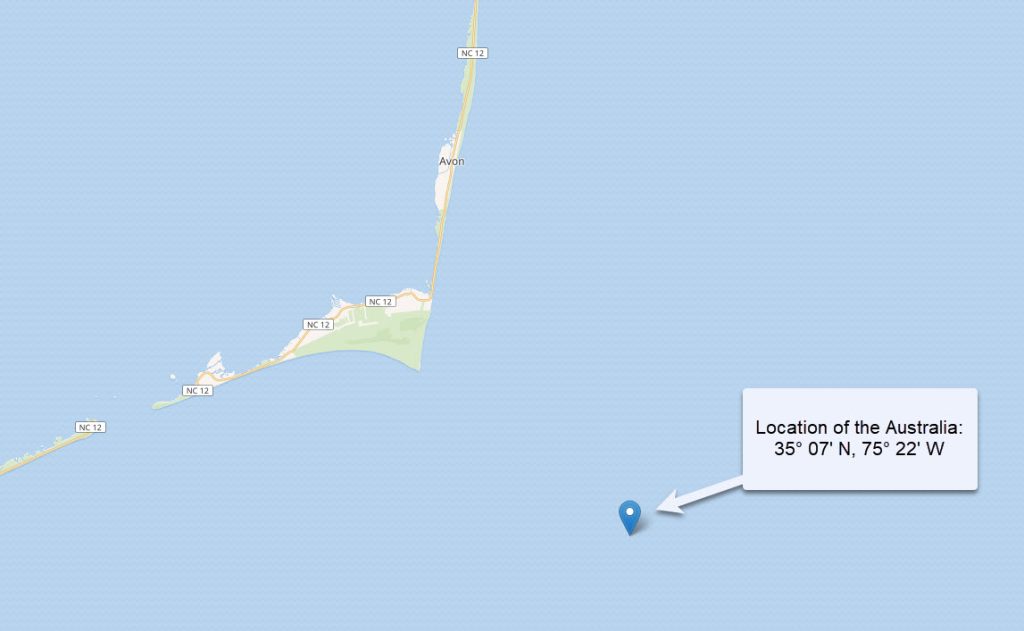
However, it was as if the U-boat U-332 used the weather to lie in wait for an easy target. The size of the Australia made it such a target. At 7:55 P.M. on March 16, 1942, The ship wasn’t far from William J. Salman (an American steam merchant) and several other ships. The ship was hit with a torpedo on the starboard side in the engine room about 12 feet below the waterline. The impact sent flames and smoke through the engine room skylights, destroyed the engine room fuel lines and auxiliary pipes. The explosion killed two engineers, a wiper, and a pumpman. Crewmen resting in their bunks above the engine room were knocked out of their bunks. Water rushed into their compartments so quickly that it rose to their ankles by the time they got out of their bunks to the time they made their way out of the area. Within seconds the after portion of the main deck was flooded. The rushing water also extinguished the flames in the engine room.
Radio Operator Zim Elkins sent a wireless message which the Coast Guard immediately picked up. Captain Adler then gave the order to abandon the ship. he placed his routing instructions and all codebooks in a bag equipped with a zipper and contained 30 pounds of lead and lowered it over the side.
Seven minutes after the attack the thirty-six men were safely away in the lifeboats. After rowing for 30 minutes, they were picked up by the William J. Salman even though it too was at risk of being attacked. They were then transferred to the armed yacht USS Ruby (PY 21) and on March 17 the crew was taken to Southport, North Carolina.
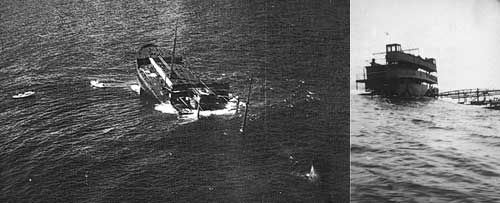
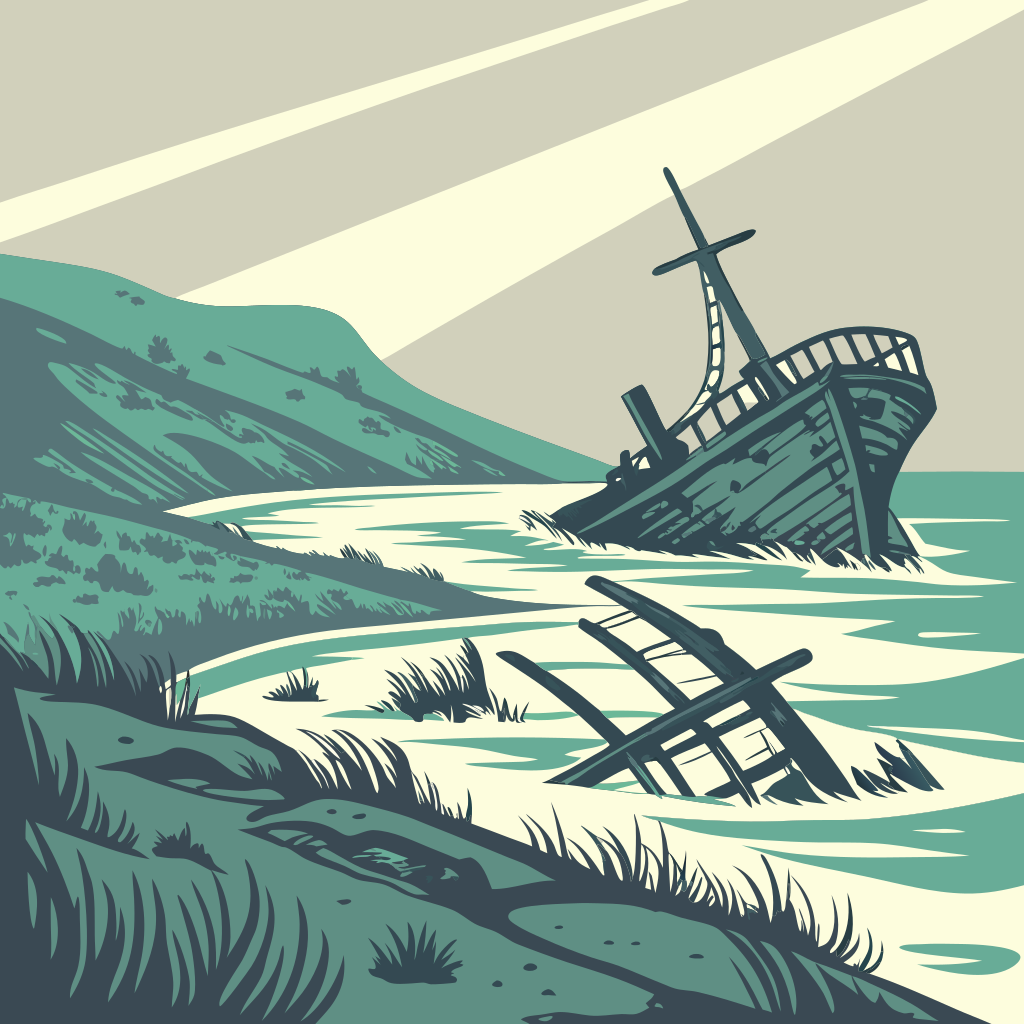
The Australia was partially sunk with her bow and bridge showing above the water. A Navy Salvage Service tugboat, Relief (SP-2170) went to inspect the ship for possible salvage. However, upon inspection, they found that the ship had burned and sunk. The ship never reported the fire, so there was some speculation on what happened to it. One theory is that local boaters climbed aboard to salvage another worthwhile and may have accidentally set it afire.
The ship was marked with a red nun buoy. The Coast Guard reported that one mask was still visible above water in the summer of 1944 when demolition began. The wreck was cleared in excess of 42 feet by the Navy Salvage Service. While inspecting it divers noticed that numerous bombs were dropped on the wreck by training planes.